Crafting Jewelry Across Cities
As the years passed, my work took me across the world — not as a tourist, but as someone standing quietly inside workshops, factories, and family-run studios.
Bangkok
Istanbul
Rome
Jaipur
Bali
Surabaya
Seoul
Hong Kong
And countless cities across China
Each place carried its own history, its own rhythm, and its own way of making jewelry.

Jaipur
In Jaipur — the Pink City — gemstones were everywhere. Not just as materials, but as part of daily life.
Color, cutting, and stone knowledge were passed down through generations. Jaipur, especially, felt poetic to me — beautiful, chaotic, and deeply connected to gemstones in a way that felt almost spiritual.
Getting there was an experience on its own.
The flight from Delhi to Jaipur was short, but unforgettable. I remember looking out the window and seeing exposed engines mounted visibly outside the aircraft, bolted on in a way I had never seen before. The plane was old, loud, and felt tired.
A local factory representative traveling with me casually mentioned that he usually preferred driving instead.
That stayed with me.
India taught me something important early on: beauty and risk can exist side by side. The craftsmanship could be exceptional, the gemstones stunning — yet the conditions surrounding the work demanded constant awareness.

Rome
Italy was different.
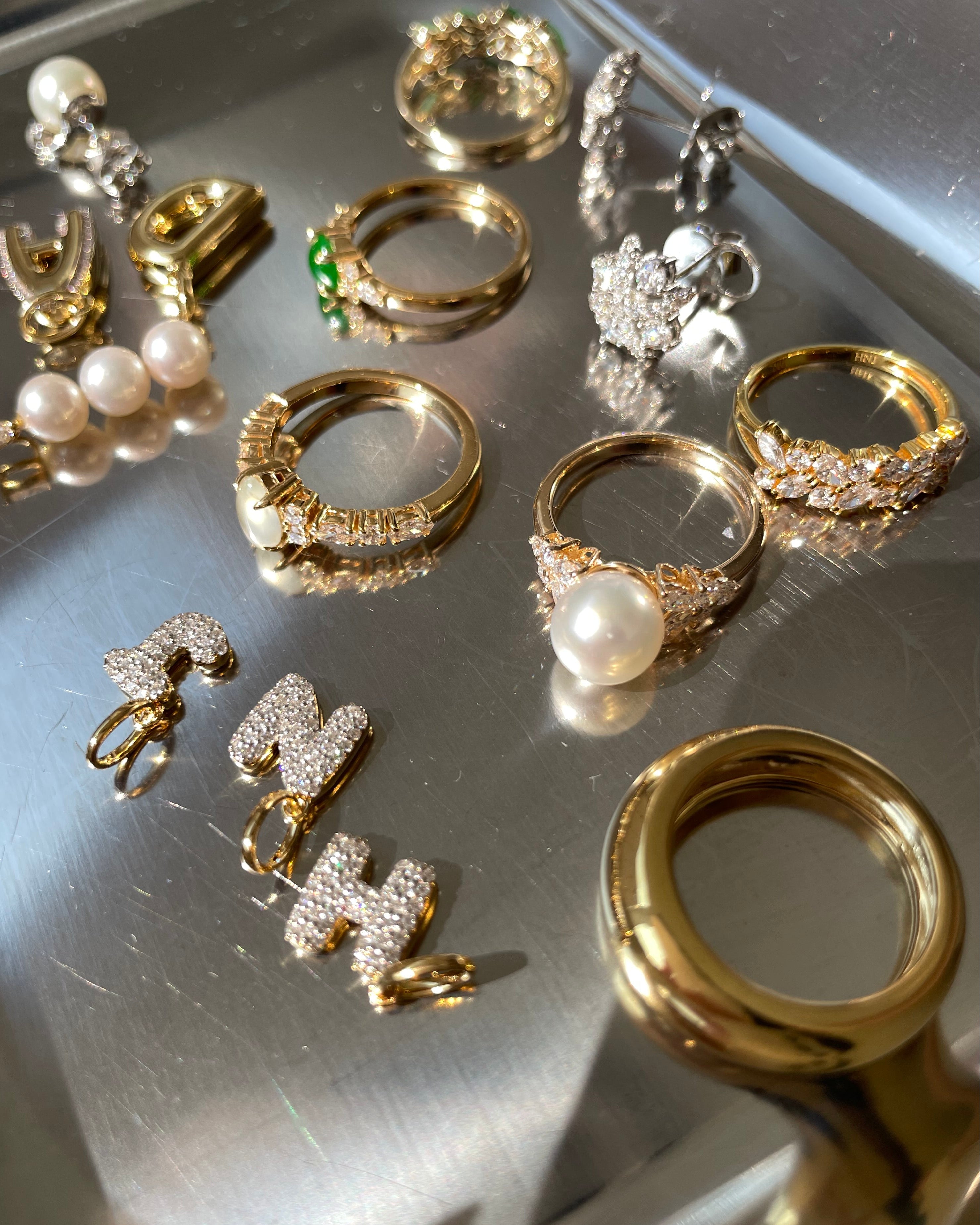
In Rome, I learned how mastery can feel effortless. Italian jewelers knew how to create volume without weight — hollow structures that looked bold but felt incredibly light on the body.
Technique there wasn’t loud. It was confident.
Every movement felt intentional, refined by decades of tradition.
A Person, Not a Place
But one of the most memorable lessons didn’t come from a country — it came from a person.
In Italy, I met the owner of a traditional jewelry family business. His story stayed with me.
He grew up in Toronto, worked in retail, helped bid jewelry for Sotheby’s, then spent years working at Bulgari — a brand founded in the heart of Rome in 1884 and known worldwide as an icon of Italian high jewelry.
After years inside the system, he returned to his roots. He started his own jewelry business, blending old-world Italian craftsmanship with modern global standards.
Eventually, his work was sold to one of our international clients — which is why I was there to inspect his pieces.
Inspecting his jewelry didn’t feel like checking products. It felt like learning.
From him, I learned that craftsmanship isn’t just technique.
It’s lived experience.
It’s culture, travel, discipline, failure, and time.
Standing in those workshops, I wasn’t just inspecting jewelry anymore. I was absorbing different philosophies of making — understanding why certain countries excelled at certain techniques, and how history quietly shaped every detail.
All of this became part of me long before HN Jewelry ever existed.

Istanbul
Turkey carried yet another energy.
Jewelry there was deeply traditional, deeply human. In workshops in Istanbul, workdays were long but never rushed.
Tea was everywhere — not as a drink, but as a way of life. It was served the moment you arrived, refilled endlessly, sometimes ten cups a day. Craftsmen drank tea, smoked, talked, and worked — all at the same time.
Jewelry wasn’t separated from life. It lived inside it.

Bali
I once went to Bali — a place most people associate with luxury resorts, beautiful villas, and high-end spending. But my Bali was very different. I was taken deep into an old village where jewelry workshops had no modern machines, no polish, no comfort. Everything was handmade. Tools were worn. Processes were slow. The owner told me many locals had little formal education — working with their hands was how they survived, how they built a life.
Standing there, watching raw metal slowly take shape under human hands, I understood something that Jewelry is not just about beauty. It is about labor, risk, discipline — and the unseen lives behind every finished piece.

Not every city left the same mark.
Some lessons were loud. Others were quiet.
But each place added another layer — another way of seeing, another way of understanding what craftsmanship can mean.
Some of those lessons still shape where and how our pieces are made today — in places where craftsmanship, experience, and trust matter most.
There are more cities.
More workshops.
More stories.
Some are better left to the imagination — at least for now.